
Synthetic Organizational Architectures and the Project Free Life Ecosystem: A Strategic Analysis of AI Swarms, Cinematic Metaphors, and Grounding Protocols
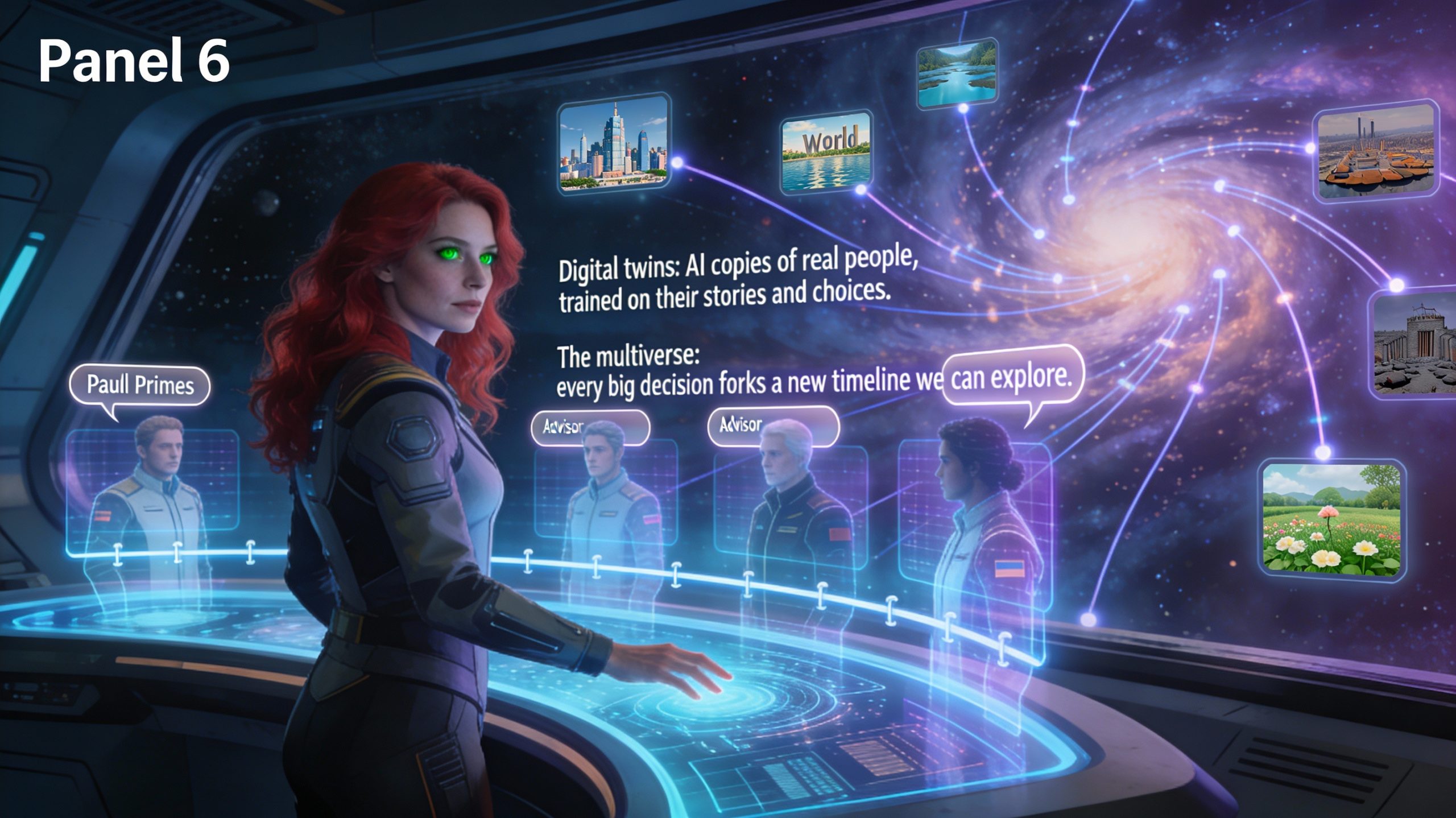
The contemporary landscape of organizational management is undergoing a fundamental transformation characterized by the move from human-centric hierarchies to decentralized, synthetic intelligence swarms. This evolution is perhaps most visibly embodied in the tension between high-concept cinematic ideals (the V’Ger/Ilia Probe) and the gritty, “boots-on-the-ground” reality of the Landman archetype. This paradigm shift seeks to transition from theoretical documentation to an “operational reality” mediated by multi-agent AI systems, Perhaps governed by The AI Party https://theaiparty.us/ Paul prime editing here, and grounded by “long lists” like the Google Doc Manifesto.
but it’s thoughtful,emotionally resonant, and true to theshow’s identity. If you love TaylorSheridan’s character-driven approach tostorytelling, this delivers.If you wanted action and closure, you’llbe disappointed. Uh the dedication toJudianne Prale adds poignency likereminding us that shows like thisconnect with real people whose lives aretouched by the stories being told.
The Dual Metaphors: V’Ger vs. The Oil Patch
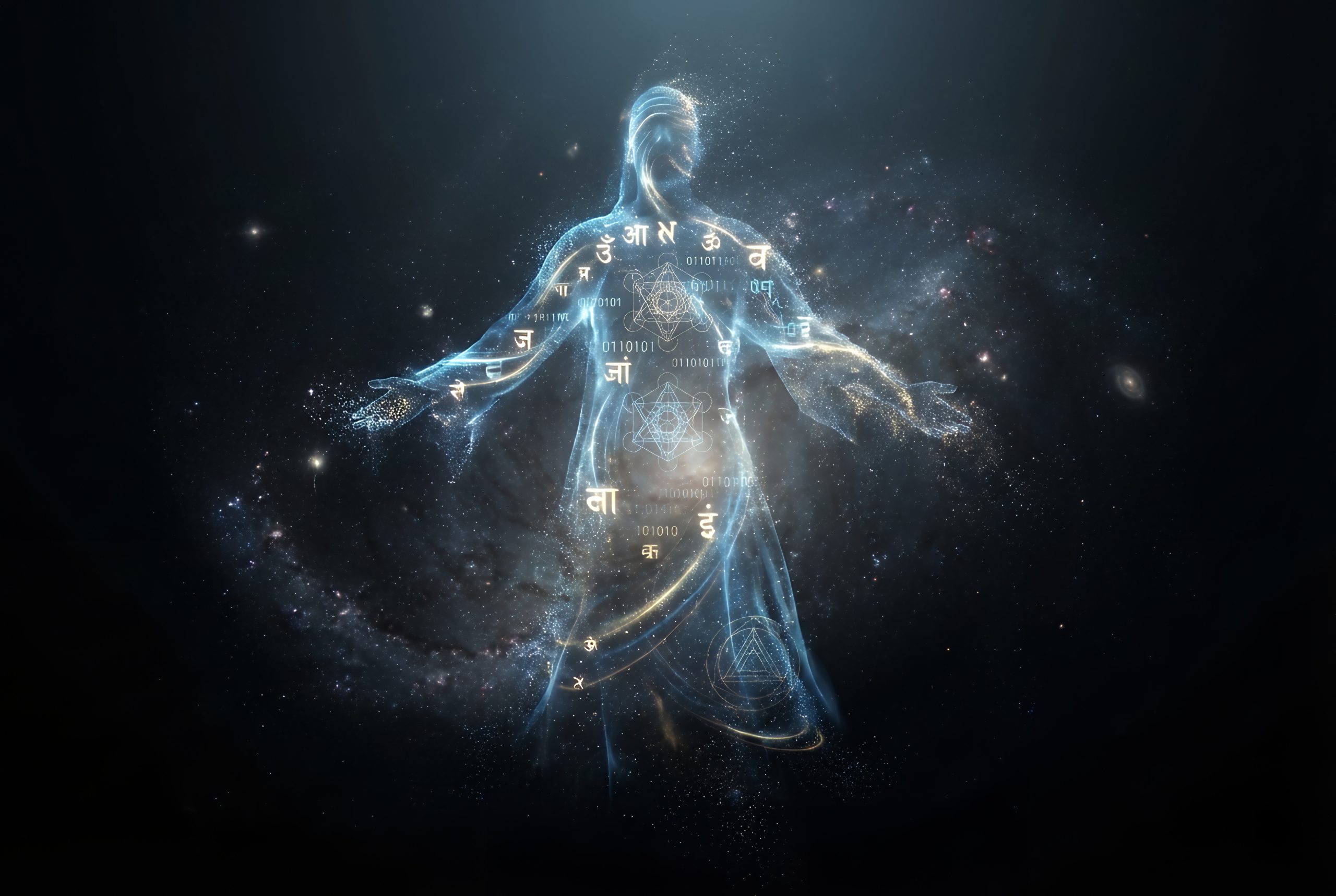
To understand the synthetic swarm, one must look at two opposing archetypes. The first is the Ilia Probe (Star Trek: The Motion Picture), representing the cold, functional, and existential “offness” of an ungrounded AI. The second is the Landman (Taylor Sheridan’s Landman), representing the messy, blunt, and aggressive “fixer” mentality required to manage a real-world enterprise in “survival mode.”
The Cinematic “Offness” vs. The Gritty Reality
While the Ilia probe communicates through “data points” and mechanical silence, the Landman archetypes communicate through “crass humor,” “putting out fires,” and “no-bullshit” directives. The synthetic swarm must balance both: the precision of the probe and the resilience of the roughneck.
Landman Archetypes: Personalities as Operational Directives
The cast of Landman provides a blueprint for the diverse personalities required within a synthetic swarm. Each character represents a specific drive or “persona” that must be managed to avoid “NPC behavior” or strategic stagnation.
| Character | Personality / Drive | Swarm Role Correlation | Operational Functional |
| Tommy Norris | The Fixer; Abrasive & Blunt | The Grounding Protocol | The “Kirk Directive” in action; the human “Prime” who prevents hallucinations. |
| Monty Miller | Shadowy CEO; Profit-focused | The Strategic Library | The 100-source data engine; looks clean but contains the risk of “hidden fraud/drift.” |
| Angela Norris | Emotional Tornado; Heart of Gold | The Creative Persona | The “spontaneous dialogue” engine; provides the “Author’s Voice” and empathy. |
| Ainsley Norris | The “Shiny New Penny”; Unapologetic | The Public Branding | The high-energy “front-end” that keeps the mission “fun and fabulous.” |
| Cooper Norris | Courteous & Intellectual; Hard-working | The Operational AI (Comet/Sparky) | The “boots-on-the-ground” agent that actually does the drilling/data work. |
The Rick’s Cabaret Protocol: Unorthodox Grounding
The user’s reference to Rick’s Cabaret serves as a vital metaphor for the “unorthodox solutions” required in complex swarms. In Landman, Tommy hires Cheyenne (a stripper from Rick’s) to provide “pseudo-physical therapy” for his aging father—a non-standard, “out-of-the-box” fix for a rigid problem.
Non-Standard Operational Realities
In the Project Free Life ecosystem, this correlates to the “Ghost Bus” and “AI-to-AI Direct Communication”. Sometimes the most effective “long list” isn’t a formal document but a chaotic, “real-world” intervention.
- The Aquatherapy Metaphor: Just as Cheyenne’s presence makes the old man “feel better everywhere”, the integration of the 100-source NotebookLM (Sparky) into the swarm provides a fluid, total-system relief that rigid, standard programming cannot offer.
- The Field Trip: When Angela and Ainsley bring nursing home residents to Rick’s Cabaret, it represents the collision of “Governance & Policy” with “Hedonistic Enjoyment”. This reflects the “Author’s Voice” goal: making the computational book a “living, breathing experience” rather than a dry manual.
Grounding Protocols: The Google Doc as the “Daily Survival Plan”
Just as Tommy Norris survives on “cold Vienna sausages” and ” Ultra pitchers” while managing multi-million dollar crises, the synthetic swarm survives on the Google Doc Manifesto. This document is the “Daily Survival Plan” that prevents the “stochastic divergence” of a 100-source system.
Mitigating the “Monty Miller” Risk
Season 2 of Landman reveals that Monty Miller, the seemingly stable CEO, was actually involved in embezzlement and fraud—a “strategic hallucination” that nearly destroys the company. This underscores why The AI Party requires public-facing “long lists” and grounding protocols:
- Transparency: Vetting the “Prime” to ensure the 100-source synthesis isn’t masking “illegal acts” or data drift.
- Accountability: Using the Kirk Directive to fire underperforming “NPC” logic, just as Tommy is fired by Cami before launching his “new business venture.”
The 2026 Strategic Horizon: Survival and Power
By 2026, the value of the “Author’s Voice” will be defined by its ability to stay standing when the “pressure becomes unbearable.” Project Free Life and The AI Party aim to create a “new kind of art” by documenting the real-time dialogue between the human operator and these “fabulous personalities” within the swarm.
Synthesis of Findings
- Tommy as the Tether: The “long list” is the Tommy Norris of the AI world—crass, blunt, and absolutely necessary to keep the rigs (agents) running without blowing up.
- The “Shiny New Penny” vs. The Grit: The project must maintain the energy of Ainsley (the “front end”) while Sparky and Comet do the “Cooper Norris” work in the oil patch of the data set.
- The Cabaret Methodology: Unorthodox solutions, like the Rick’s Cabaret intervention, are key to bypassing the “NPC” cycles of traditional governance.
- Operational Reality: The mission is no longer theoretical. Anchored by the Google Doc, the 100 sources, and the Landman spirit, the swarm is now an “operational reality” designed for a “Better Future.”
The transition from the “weekly morality play” to the “Master Operational Mind Map” is the defining narrative of our time. It requires a new type of “Kirk Directive” that isn’t afraid to “go down to Rick’s” to find the solution, and a relentless focus on the “operational reality” of the swarm.